
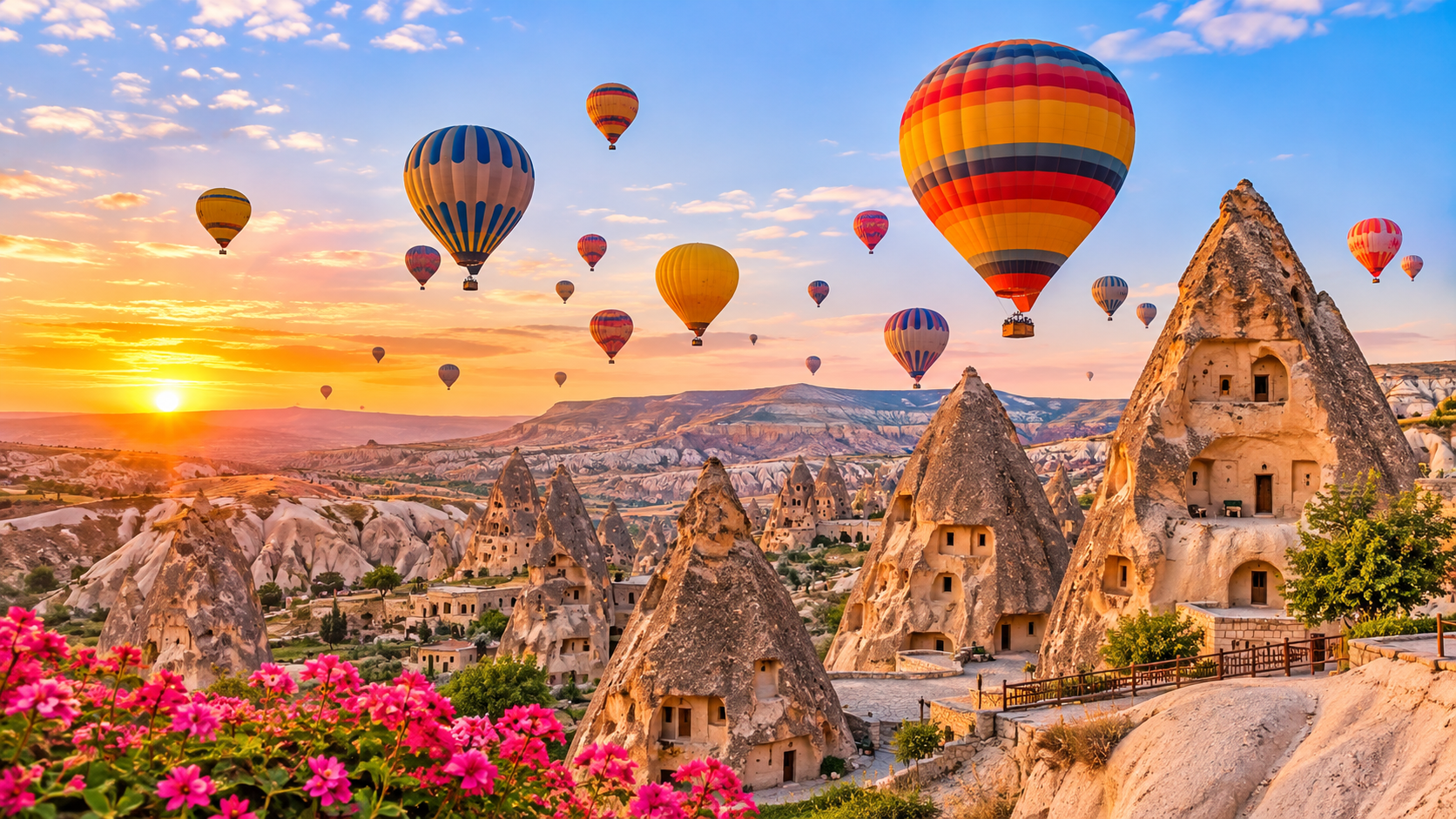
Cappadocia is one of those places that stays in your mind long after you have finished reading about it. Located in central Turkey, this remarkable region is known for its unusual rock formations, ancient cave dwellings, underground cities, and hot air balloons that rise above the valleys at sunrise. The landscape looks almost unreal in photographs, yet its beauty comes from something very real: millions of years of volcanic activity, wind, rain, and the people who learned to make a home among these rocks.
What makes Cappadocia particularly interesting is that it offers more than beautiful scenery. You can explore churches carved into soft volcanic stone, walk through valleys filled with fairy chimneys, visit underground settlements, and spend quiet evenings in villages surrounded by rugged hills. Each part of the region has its own character.
I would recommend giving Cappadocia more than a quick stop on a Turkey itinerary. A little extra time allows you to see its different sides, from the famous balloon flights to the less crowded paths and small traditional towns.
Hot Air Balloon Rides in Cappadocia
For many visitors, a hot air balloon ride is the first experience that comes to mind when they think of Cappadocia. Just before sunrise, colourful balloons begin to fill the sky, floating above the valleys and unusual rock formations. As the first light reaches the landscape, the pale stone turns shades of gold, pink, and soft orange.
The experience is memorable because of the setting as much as the flight itself. From above, you can see the valleys, villages, vineyards, and clusters of fairy chimneys spread across the countryside. On clear mornings, the view seems to continue endlessly.
Balloon flights usually take place early in the morning, but they depend heavily on weather conditions. Wind and visibility can affect the schedule, and flights may be cancelled for safety reasons. I would suggest booking your ride for one of your first mornings in Cappadocia rather than leaving it until the final day. That gives you another opportunity if the weather does not cooperate.
Prices vary according to the season, company, basket size, and flight duration. It is worth checking exactly what is included before making a booking. Some packages include hotel transfers and breakfast, while others offer different arrangements.
You do not necessarily have to take a balloon ride to enjoy the view. Watching dozens of balloons rise from a rooftop or a quiet viewpoint can be just as special, especially when the morning is still and the valleys begin to glow.
Göreme Open-Air Museum
The Göreme Open-Air Museum is one of Cappadocia’s most important historical attractions. This remarkable site contains rock-cut churches, chapels, monasteries, and rooms carved into the soft volcanic landscape. Many of these spaces date back to the Byzantine period, when Christian communities used the region as a place of worship and settlement.
The churches are particularly interesting because of their wall paintings and frescoes. Although some have faded over the centuries, others still display scenes from the Bible, religious figures, and decorative patterns. The Dark Church, also known as Karanlık Kilise, is among the best-known examples because its interior frescoes have retained much of their original colour.
The Dark Church generally requires a separate ticket from the main Göreme Open-Air Museum admission. MüzeKart is not valid for entry to this church, so check the official Dark Church ticket information before visiting. Photography is not permitted inside the historic church interiors, so visitors should follow the signs and instructions at the site.
Allow enough time to explore rather than rushing from one building to another. The carved rooms, narrow passages, and painted walls reveal how people once lived and worshipped in this landscape.
For updated visitor information and opening details, consult the official Göreme Open-Air Museum visitor page.
Exploring the Valleys of Cappadocia
Cappadocia’s valleys are among its greatest attractions. Their unusual rock formations, walking trails, and changing colours make them worth exploring at different times of the day. Some routes are easy and suitable for a relaxed walk, while others involve uneven ground and longer stretches.
Love Valley
Love Valley is famous for its tall, naturally shaped rock formations. The landscape is unusual, and the valley looks particularly striking when viewed from above. There are walking paths through the area, although some sections can be dusty and uneven.
The viewpoint is a popular place for photographs, especially around sunrise and sunset. If you prefer walking, take time to explore the valley floor rather than stopping only at the main viewing area.
Pigeon Valley
Pigeon Valley connects the areas around Göreme and Uçhisar. Its name comes from the many pigeon houses carved into the rocks. For generations, local people collected pigeon droppings for use as fertiliser, making these small openings an important part of traditional agriculture.
The trail offers views of rocky slopes, trees, and the surrounding countryside. It is a pleasant option for visitors who want to combine a walk with a little history.
Rose Valley and Red Valley
Rose Valley and Red Valley are known for their colourful rock formations. Depending on the light, the stone can appear pink, red, orange, or almost purple. The colours become especially noticeable later in the day, which is why these valleys are popular for sunset walks.
There are several paths connecting different parts of the valleys, and some routes pass old churches and cave dwellings. Comfortable walking shoes are useful because the ground can be rocky and uneven.
If you have time for only one longer walk, these valleys are worth considering. Their scenery changes as you move through them, and the quieter sections offer a different feeling from Cappadocia’s busier viewpoints.
Zelve Open-Air Museum and Paşabağ Valley
Zelve Open-Air Museum is another important historical area in Cappadocia. Unlike some sites where visitors mainly see churches, Zelve offers a wider look at an old settlement carved into the rock. Houses, religious spaces, storage rooms, and passages reveal how communities once adapted to the region’s unusual landscape.
The site was inhabited for centuries, and its abandoned buildings now provide a fascinating glimpse into earlier village life. Walking through the area, you can see how the soft volcanic stone was shaped into practical living spaces.
Nearby, Paşabağ Valley is famous for its distinctive fairy chimneys. Some formations have several rock caps balanced above narrow stone columns, giving them an unusual appearance. The area is also known as Monks Valley because hermits once used some of the rock formations as places of retreat.
Paşabağ is easy to include in a day of sightseeing, particularly when visiting Zelve. The two places offer different experiences: one focuses more on the history of a rock-cut settlement, while the other is known for its remarkable natural formations.
Before visiting, check the official Zelve–Paşabağlar museum page for current visitor information.
Derinkuyu Underground City
Cappadocia is famous for its landscape above ground, but some of its most fascinating history lies beneath it. Derinkuyu Underground City is one of the region’s largest and best-known underground settlements. Its network of rooms, corridors, storage areas, and ventilation shafts shows how people created sheltered living spaces below the surface.
The underground city extends across several levels. Historically, it is believed to have provided protection during periods of danger, allowing communities to remain hidden and organised beneath the ground. Visitors can see parts of the complex, although not every historical section is open to the public.
Some passages are narrow, ceilings are low, and stairs can be steep. If you are uncomfortable in enclosed spaces or have difficulty moving through tight passages, consider this before visiting. It is also sensible to wear comfortable shoes and take your time.
Derinkuyu is generally open daily, but visitor access and opening arrangements can change. For the latest official information, check the Derinkuyu Underground City page.
Kaymaklı Underground City
Kaymaklı Underground City is another remarkable underground settlement in Cappadocia. Like Derinkuyu, it contains a network of tunnels and rooms that were used for shelter, storage, and everyday activities. Its layout gives visitors an idea of how communities organised life beneath the surface.
The historic complex has several levels, but only four illuminated levels are open to visitors. As you move through the tunnels, you can see rooms that were used for food storage, kitchens, living spaces, and other purposes.
The passages can be tight in places, and some sections require bending or climbing stairs. Visitors who experience claustrophobia may find parts of the route uncomfortable. It is better to explore slowly and avoid rushing through the narrow sections.
Kaymaklı is generally open daily, although opening hours and access arrangements should always be checked before travelling. The official Kaymaklı Underground City page provides current visitor information.
If you are choosing between Kaymaklı and Derinkuyu, both are worth considering. Derinkuyu is known for its impressive depth, while Kaymaklı offers a different layout and atmosphere. Visiting both can be interesting if you have enough time, but one underground city may be sufficient for a shorter trip.
Avanos: Pottery, River Views, and Local Life
Avanos is a traditional town on the banks of the Kızılırmak River, Turkey’s longest river. It is particularly well known for its pottery-making tradition, which has been part of local life for generations.
The town’s pottery workshops offer a chance to see how local craftspeople shape clay into bowls, plates, jugs, and decorative pieces. Some workshops allow visitors to watch demonstrations or try working with a pottery wheel. It is a good way to experience a side of Cappadocia that is different from its valleys and cave settlements.
Avanos also has a relaxed atmosphere around the river. You can walk along the waterfront, explore small shops, and stop at a local café. It is a pleasant place to spend a few hours, especially if you want a break from the region’s more crowded attractions.
I would include Avanos in a sightseeing day with Paşabağ and Zelve, as the locations can be combined without making the day feel too rushed.
Çavuşin Village
Çavuşin is one of Cappadocia’s older settlements and is known for its rock-cut houses and historic church. The village sits among dramatic rock formations, and its older abandoned sections provide a glimpse into how people once lived in the area.
One of the main attractions is the Church of St. John the Baptist, which is associated with the early Christian history of Cappadocia. The surrounding rock formations and old buildings make the village interesting to explore on foot.
Çavuşin is also a useful stop when visiting nearby valleys and attractions. It does not require an entire day, but allowing some time to walk around gives you a better sense of the region’s traditional settlements.
Traditional Food to Try in Cappadocia
Food is another enjoyable part of a visit to Cappadocia. The region has several traditional dishes, and many restaurants serve local recipes alongside familiar Turkish favourites.
One of the best-known dishes is testi kebabı, often called pottery kebab. Meat and vegetables are slowly cooked inside a sealed clay pot. When it is ready, the pot is brought to the table and opened, making the presentation part of the meal.
Other dishes worth trying include mantı, small Turkish dumplings usually served with yoghurt and sauce, and various regional stews prepared with meat and vegetables. Local restaurants also serve freshly baked bread, soups, grilled dishes, and traditional desserts.
For something sweet, try baklava or künefe. Turkish tea is also a familiar part of the dining experience and is often served after a meal.
Restaurants in Göreme, Ürgüp, and Avanos offer a range of choices, from casual local places to more elaborate dining experiences. If you want to try pottery kebab, check whether it needs to be ordered in advance, as some restaurants prepare it over a longer cooking period.
Best Time to Visit Cappadocia
Cappadocia can be visited throughout the year, but each season offers a different experience. The best time depends on the weather you prefer, your plans for outdoor activities, and whether you want to see the region at its busiest or quieter moments.
Spring: April to June
Spring is one of the most pleasant periods to visit Cappadocia. Temperatures are generally comfortable for walking, exploring valleys, and visiting historical sites. The countryside becomes greener, and the changing light gives the rock formations a fresh appearance.
It is a popular season, so accommodation and balloon rides can book up quickly. Reserving important activities ahead of time is a sensible idea.
Summer: July to August
Summer brings hot and dry weather, particularly during the middle of the day. Early mornings and evenings are usually more comfortable for outdoor activities.
If you visit during summer, plan longer walks for the cooler hours and carry enough water. The region can be busy, especially around the most famous viewpoints and attractions.
Autumn: September to October
Autumn is another excellent time to explore Cappadocia. The temperatures become milder, and the landscape takes on warm tones. Walking through the valleys is often more comfortable than during the hottest summer months.
This period is popular with visitors, but it can feel more relaxed than the peak summer season.
Winter: November to March
Winter gives Cappadocia a completely different appearance. Snow sometimes covers the fairy chimneys and rooftops, creating a beautiful contrast against the region’s pale stone.
Temperatures can be very cold, and balloon flights are more likely to be affected by weather conditions. However, visitors who enjoy quieter surroundings may appreciate the winter atmosphere.
Getting to Cappadocia
Cappadocia is located in central Turkey and can be reached by air, bus, or private vehicle. Most international visitors arrive through Istanbul before travelling onward to the region.
There are two main airports used by travellers:
- Nevşehir Kapadokya Airport (NAV): This is generally the closer airport to Göreme and several other popular Cappadocia destinations.
- Kayseri Erkilet Airport (ASR): Kayseri is farther away, but it has a wider range of flight connections and is also commonly used by visitors.
From either airport, you can arrange a shared shuttle, private transfer, taxi, or rental car. Travel time depends on your destination, traffic, and the type of transfer you choose. It is worth confirming the pickup point and journey details before booking.
For a clearer comparison of transfer options, see this Cappadocia airport transfer guide, which explains how to travel from both airports to the main towns.
Buses are another option, particularly for travellers coming from Istanbul, Ankara, or other Turkish cities. However, journeys can take several hours, so compare travel times before deciding.
Where to Stay in Cappadocia
Choosing the right town can make a noticeable difference to your trip. Cappadocia has several accommodation areas, each offering a slightly different atmosphere.
Göreme
Göreme is one of the most convenient places to stay, especially for first-time visitors. It has a good selection of hotels, restaurants, cafés, tour agencies, and transport services. Many popular attractions are also within easy reach.
The town is particularly well known for its cave hotels and rooftop terraces. Some accommodation offers views of the surrounding valleys and, on suitable mornings, the hot air balloons.
Uçhisar
Uçhisar is a quieter option with beautiful views across the surrounding countryside. It is known for Uçhisar Castle, which stands above the town and provides wide views of the region.
Balloon viewing areas are relatively close to both Uçhisar and Göreme, making either town a good choice if you hope to watch the sunrise flights. Uçhisar may suit visitors who prefer a more peaceful atmosphere.
Ürgüp
Ürgüp has a more established town centre, with restaurants, shops, and a variety of hotels. It is a useful base for exploring the eastern parts of Cappadocia and can be a good choice for travellers looking for a mix of local life and comfortable accommodation.
Ortahisar
Ortahisar is a smaller town known for its impressive rock castle and traditional atmosphere. It is generally quieter than Göreme and can appeal to visitors who prefer staying away from the busiest tourist streets.
Avanos
Avanos is a good option for visitors interested in pottery, local crafts, and a relaxed riverside setting. It is farther from some of the main attractions, so consider transport arrangements when booking accommodation.
For a first visit, I would generally suggest Göreme or Uçhisar because of their convenient locations and access to balloon viewing spots. The best choice ultimately depends on your budget and the kind of atmosphere you want.
How Many Days Do You Need in Cappadocia?
Two days in Cappadocia can cover some of the major attractions, but the schedule may feel quite busy. You could visit the Göreme Open-Air Museum, explore a few valleys, see the fairy chimneys, and spend time in one of the underground cities.
Three days is a more comfortable option. It gives you time for a balloon flight, historical sites, a valley walk, and nearby towns such as Avanos or Çavuşin. You also have a little flexibility if the weather affects your plans.
If you enjoy hiking, photography, or exploring smaller villages, four days or longer would allow you to experience the region at a slower pace.
I would avoid filling every hour with organised tours. Some of Cappadocia’s most enjoyable moments come from having time to wander through a village, sit at a café, or watch the evening light change across the rocks.
Practical Tips for Visiting Cappadocia
A little preparation can make your visit easier, especially if you plan to explore the valleys and historical sites.
- Wear comfortable shoes: Many paths are rocky, dusty, or uneven. Good walking shoes are useful for both valleys and underground cities.
- Book balloon flights early: Sunrise flights are popular, and availability can be limited during busy months.
- Keep a spare morning: Weather conditions can lead to balloon cancellations, so avoid scheduling your only possible flight on your final morning.
- Carry water: Walking in the valleys can be tiring, particularly during the warmer months.
- Dress in layers: Early mornings can be chilly even when daytime temperatures are warm.
- Check museum information: Opening hours, ticket prices, and visitor access can change. Check the official museum pages before setting out.
- Allow time for transfers: The airports are outside the main tourist towns, so arrange transport in advance when possible.
- Respect historic sites: Follow visitor instructions, avoid touching fragile surfaces, and pay attention to photography restrictions inside churches and museums.
Beyond the Fairy Chimneys
Cappadocia is much more than a destination for hot air balloon photographs. Its valleys, underground cities, rock-cut churches, pottery workshops, and traditional villages tell a story that stretches across centuries. The landscape is unusual, but the history of the people who lived among these formations is what gives the region its deeper character.
A morning spent watching balloons drift across the sky may become one of the highlights of a Turkey trip. Yet the quieter experiences matter too: walking through an old settlement, discovering a small church carved into stone, or sitting outside as the evening light settles over the valleys.
If I were planning a first visit, I would allow at least three days, stay in Göreme or Uçhisar, and leave enough room for both the famous attractions and a few unhurried moments. Cappadocia deserves to be explored at a comfortable pace, not simply crossed off a sightseeing list.
About Zoey
Zoey is a passionate global traveler and travel content creator dedicated to helping explorers navigate international destinations with smart planning, accurate budgets, and practical guides. Through detailed itineraries and destination insights, Zoey aims to make world travel accessible and stress-free everyone.


