
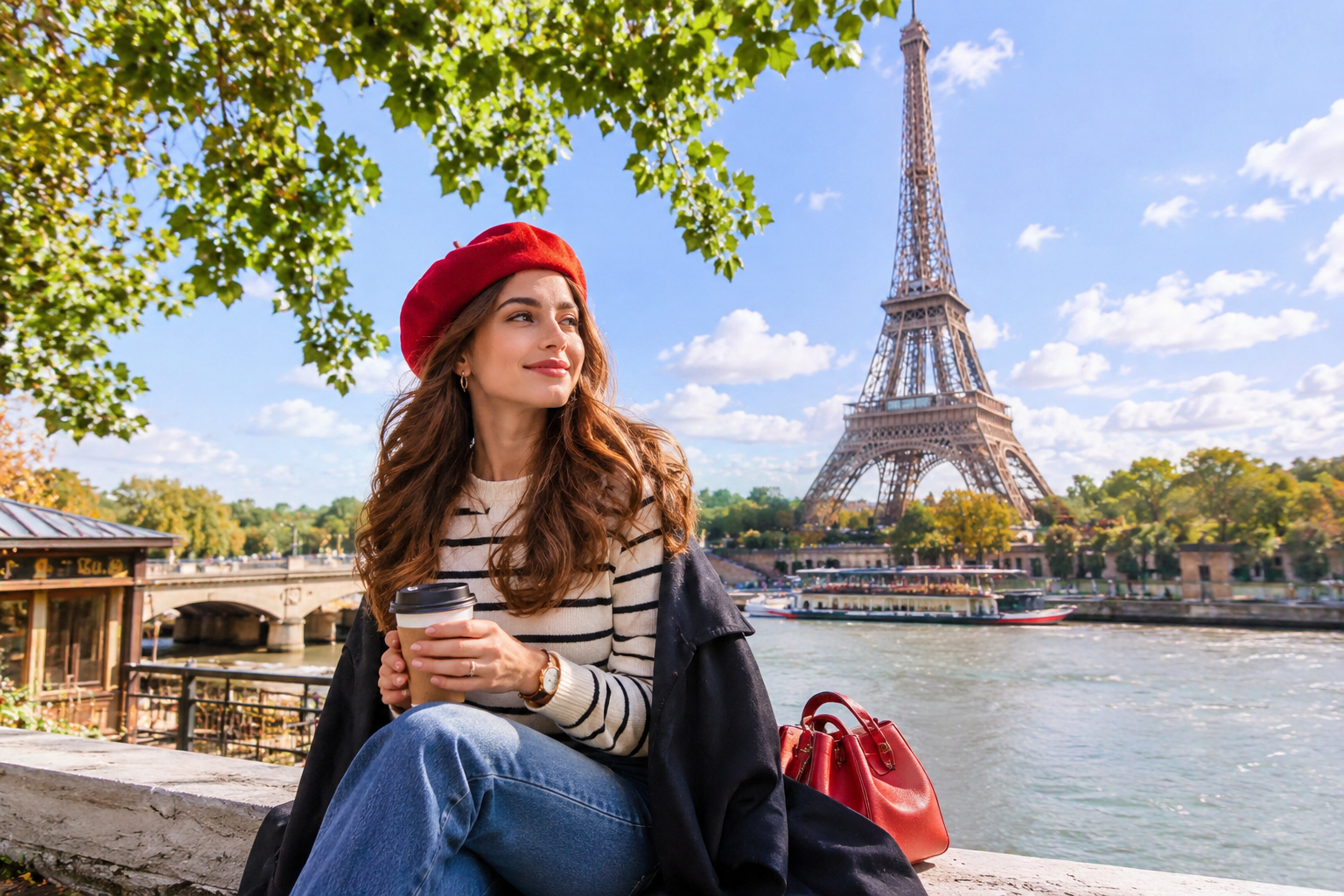
France is a country where a single journey can take you through historic cities, peaceful countryside, mountain scenery, beautiful beaches, and some of Europe’s most recognisable landmarks. One morning might begin with coffee beside a Parisian street, while another could take you through the lavender fields of Provence or along the Mediterranean coast as the evening light settles over the water.
For many travellers, France brings to mind the Eiffel Tower, romantic cafés, elegant architecture, and freshly baked pastries. These familiar images are certainly part of its appeal, but they only tell a small part of the story. Every region has its own traditions, local dishes, landscapes, and character. Travelling from one part of the country to another can feel like discovering an entirely different destination.
I personally recommend planning a first visit around two or three regions rather than trying to see everything at once. France is larger and more varied than many visitors expect, and allowing enough time between destinations makes the journey considerably more enjoyable.
Paris: Famous Landmarks and Everyday French Life
Paris is a natural starting point for anyone visiting France for the first time. Its historic buildings, world-famous museums, beautiful gardens, and riverside neighbourhoods offer plenty to explore. The city has a distinctive rhythm, from busy shopping streets to quiet corners where traditional cafés sit beneath old buildings.
The Eiffel Tower is an obvious highlight. Visitors can take the lift or climb the stairs to enjoy impressive views across the city. I would suggest choosing your ticket according to how high you want to go and how much time you have available. Before visiting, check the official Eiffel Tower website for ticket options and visitor information.
Art lovers should also make time for the Louvre Museum. Its collections include famous paintings, sculptures, and historical objects from different civilisations. Seeing everything in one visit can be exhausting, so I find it more practical to select a few galleries beforehand and explore them without rushing. Current admission and visitor information are available through the official Louvre website.
Notre-Dame Cathedral, the Seine riverbanks, and the gardens scattered around the city are also worth exploring. Beyond the major attractions, Paris is best discovered on foot. Small bakeries, neighbourhood markets, and traditional cafés offer a closer look at everyday French life. If I had an extra afternoon in Paris, I would leave room for an unplanned walk through its older streets rather than filling every hour with sightseeing.
Provence: Lavender Fields and Traditional Villages
Provence, in southeastern France, is known for its sunny weather, stone villages, vineyards, olive groves, and colourful markets. Its countryside has a distinctive beauty, particularly during the warmer months when lavender fields bring shades of purple to the landscape.
The Valensole Plateau is especially popular during lavender season, usually from late June into July, although flowering dates depend on weather conditions. The sight of purple fields stretching across the countryside is one of the region’s most recognisable scenes.
Gordes is another beautiful stop, with stone houses arranged along a hillside overlooking the surrounding landscape. Nearby Roussillon is famous for its red and orange ochre cliffs, colourful buildings, and narrow streets. Both villages offer a lovely opportunity to discover the quieter side of French life.
I tend to leave some space in a travel itinerary for local markets rather than planning every day around major attractions. These markets are wonderful places to discover regional cheeses, olives, fresh bread, seasonal fruit, and handmade products. They also provide a glimpse into everyday life in Provence, away from the usual tourist crowds.
Normandy: History, Coastline, and Mont-Saint-Michel
Normandy combines beautiful coastal scenery with some of the most important historical sites in France. Its landscapes include green countryside, traditional villages, dramatic beaches, and historic towns.
Mont-Saint-Michel is the region’s best-known attraction. This remarkable island settlement rises above a wide tidal bay, with its medieval abbey overlooking the surrounding landscape. The narrow streets, old stone buildings, and changing views make it a place worth exploring slowly. I especially appreciate destinations where history and natural scenery come together, and Mont-Saint-Michel offers both in a remarkable setting.
Normandy is also closely associated with the D-Day landings of June 1944. Visitors can explore Omaha Beach, Utah Beach, military cemeteries, memorials, and museums that explain the events of the Second World War. These places offer an important opportunity to understand the history of the region.
Bayeux is a convenient base for exploring many of these sites. Its historic centre and famous Bayeux Tapestry provide another reason to spend time in the town.
Before visiting Mont-Saint-Michel, check the official abbey visitor information for current opening details and practical guidance.
The French Riviera: Nice, Cannes, and Antibes
The French Riviera, also known as the Côte d’Azur, is famous for its Mediterranean beaches, seaside promenades, attractive coastal towns, and sunny weather. It is particularly appealing during summer, when outdoor cafés and waterfront areas become lively.
Nice is an excellent place to begin exploring the region. The Promenade des Anglais follows the waterfront, offering beautiful sea views, while the old town has colourful buildings, narrow streets, cafés, and traditional food markets. I find that Nice offers a good balance between sightseeing, beach time, and local culture.
Cannes is known for its film festival, harbour, and sandy beaches. Antibes offers a slightly different atmosphere, with an attractive old town, historic walls, and a lively marina. Both towns are worth considering if you want to explore more than one destination along the coast.
For a quieter day, I would rather explore smaller coastal villages or take a regional train between towns than spend the entire day in crowded tourist areas. The scenery along this stretch of the Mediterranean is beautiful, and there is little reason to rush every journey.
Loire Valley: Castles and French Countryside
The Loire Valley is an excellent choice for travellers interested in French history, architecture, and countryside scenery. The region is dotted with historic castles, beautiful gardens, riverside towns, and charming villages.
Château de Chambord is one of the most impressive buildings in the region, recognised for its distinctive towers and elaborate roofline. Château de Chenonceau is equally memorable, with its elegant structure extending across the River Cher. Both castles offer a fascinating look at France’s royal history and architectural heritage.
I believe visiting fewer castles at a comfortable pace is often more rewarding than trying to see several in a single day. Choosing two that genuinely interest you leaves enough time to explore their interiors, gardens, and surrounding villages without constantly watching the clock.
French Food: What to Eat During Your Trip
Food deserves a place in every France travel itinerary. French cooking varies considerably between regions, so trying local specialities is often more interesting than choosing the same familiar dishes everywhere. From simple bakery breakfasts to traditional countryside meals, there is plenty to discover.
Breakfast in France
A traditional French breakfast is usually fairly simple. Croissants, pain au chocolat, baguettes with butter and jam, and fresh coffee are common choices.
Local bakeries, known as boulangeries, are particularly useful for an affordable breakfast or a quick snack before sightseeing. I personally prefer keeping breakfast simple when travelling, and a freshly baked pastry with coffee makes a convenient start to a busy day.
Lunch and Dinner
For a traditional meal, consider trying some of these well-known French dishes:
- Bœuf bourguignon: Slow-cooked beef with vegetables and a rich sauce associated with Burgundy.
- Coq au vin: Chicken slowly cooked with wine, mushrooms, and other ingredients.
- Ratatouille: A vegetable dish made with aubergines, courgettes, tomatoes, peppers, and herbs.
- Bouillabaisse: A traditional fish stew associated with Marseille.
- Quiche Lorraine: A savoury pastry tart traditionally made with eggs, cream, and bacon.
- Cassoulet: A hearty slow-cooked bean dish associated with southwestern France.
Regional food is worth exploring too. Brittany is known for buckwheat galettes and sweet crêpes, Normandy for Camembert cheese and apple-based specialities, while Alsace is famous for tarte flambée and choucroute.
I believe trying regional dishes adds another dimension to travelling. A meal in Marseille, for example, can be quite different from one in Normandy, and that variety is part of what makes exploring France interesting.
French Desserts and Cafés
France has a wonderful selection of pastries and desserts. Try crème brûlée, macarons, éclairs, mille-feuille, and tarte Tatin.
For a relaxed afternoon, stop at a local café for coffee and a pastry. There is no need to turn every meal into a formal restaurant experience. Sometimes a simple bakery lunch is more convenient when you have a full day of sightseeing. If your schedule allows, I would also leave some time to sit outside and enjoy the atmosphere instead of always moving on to the next attraction.
For more regional food inspiration, visit the official Explore France gastronomy guide.
Getting Around France: Trains, Buses, and Local Transport
France has a well-developed transport network, and travellers can reach most major cities without renting a car. Trains are particularly useful for longer journeys, while buses and local transport make getting around smaller areas easier.
Travelling by Train
High-speed TGV trains connect Paris with cities such as Lyon, Bordeaux, Marseille, Strasbourg, and Nice. They are generally a convenient choice for longer journeys.
I would recommend checking train connections before finalising your itinerary, especially if you plan to visit several regions. For schedules, ticket prices, and reservations, use SNCF Connect, the official railway booking platform.
Regional TER trains are useful for shorter journeys between towns and smaller cities. Book early for popular routes when possible, particularly during school holidays and summer.
Intercity Buses
Long-distance buses can be a useful alternative when train tickets are expensive or when you have a flexible schedule.
Companies such as FlixBus and BlaBlaCar Bus operate routes connecting major French cities and destinations in neighbouring countries.
Bus journeys are often slower than high-speed trains, but they may offer lower fares. Compare departure stations, luggage allowances, journey times, and arrival locations before booking. An inexpensive ticket is less attractive if the bus station is far from your accommodation.
Metro and City Buses
Paris has an extensive metro, RER, bus, and tram network. The metro is useful for reaching major attractions quickly, while buses offer views of the streets along the way.
Tickets can be purchased through official transport apps or loaded onto a Navigo Easy pass. Different tickets apply to rail journeys and bus or tram journeys, so check the current rules before travelling.
The official RATP visitor transport guide explains public transport options, tickets, and travel information for Paris.
In smaller cities, local buses and trams are often enough to reach the main attractions. In rural Provence and parts of the Loire Valley, however, a rental car can make exploring villages considerably easier. If discovering countryside locations is a priority, I would consider including a few days with a rental car in the travel plan.
Best Time to Visit France
France is a year-round destination, but each season offers a different experience. The right time to visit depends on your interests, preferred weather, and the regions you want to explore.
Spring: March to May
Spring brings blooming gardens and comfortable temperatures for sightseeing. It is a good time to explore Paris, Normandy, and the Loire Valley. Parks and gardens become colourful again, while outdoor cafés gradually return to their lively atmosphere.
Summer: June to August
Summer is ideal for beaches, coastal towns, outdoor dining, and lavender fields in Provence. However, accommodation and popular attractions can become crowded. I would suggest booking important tickets and accommodation in advance if travelling during this period.
Autumn: September to November
Autumn brings milder weather, changing countryside colours, and grape-harvest activities in wine-producing regions. September is particularly attractive for exploring several parts of the country because the summer rush begins to ease.
Winter: December to February
Winter is suitable for Christmas markets, quieter city visits, and skiing in the French Alps. Temperatures can be cold, especially in northern and mountainous areas. If you enjoy festive decorations and seasonal markets, this can be an appealing time to visit.
Where to Stay in France
Choosing the right base can make travelling around France much easier. Paris is a practical option for a first visit, especially if you want easy access to museums and major landmarks. Nice works well for exploring the French Riviera, while Avignon and Aix-en-Provence are useful choices for discovering Provence.
For Normandy, consider staying in Bayeux, particularly if you plan to visit the D-Day beaches. Tours and Amboise are convenient bases for exploring the Loire Valley castles.
I tend to compare accommodation according to location rather than price alone. Staying close to a train station or the main attractions can save time and transport costs, particularly during a short visit.
Accommodation prices vary by season and location. Booking ahead is sensible during summer, public holidays, and major festivals.
Practical Travel Tips for France
A little preparation can prevent unnecessary problems during your trip. These practical points are worth keeping in mind before departure.
- Visa requirements: Check your eligibility and application requirements through the official France-Visas website.
- Language: Learn simple expressions such as bonjour, merci, and s’il vous plaît. A greeting before asking a question is appreciated.
- Money: France uses the euro. Carry a bank card and some cash for small purchases.
- Restaurant timings: Some restaurants have specific lunch and dinner service hours, so check opening times before arriving.
- Transport: Validate your transport ticket where required and keep it available until your journey is complete.
- Walking: Comfortable shoes are important for cobbled streets, museums, and historic towns.
- Safety: Keep an eye on your belongings in crowded stations, markets, and tourist areas.
- Reservations: Book popular museums, attractions, and accommodation in advance during busy seasons.
One detail I would never overlook is checking transport arrangements before leaving your accommodation. It can save considerable time, especially when travelling between different cities or visiting attractions outside town centres.
A Journey Through France Worth Taking Slowly
France offers far more than its famous landmarks. Its regional food, historic towns, coastal scenery, and peaceful countryside give every part of the country a different identity. Some destinations are known for grand architecture, while others are remembered for their markets, traditional meals, or beautiful natural surroundings.
A first journey might combine Paris with the villages of Provence or the historic coastline of Normandy. Another trip could focus on the Loire Valley, the Alps, or the Mediterranean towns of the south. There is no single way to experience the country, which makes planning a return visit just as appealing.
If I had seven to ten days for a first visit, I would focus on two or three regions rather than trying to cover the entire country. That would leave enough time for museums and famous attractions, but also for smaller discoveries along the way.
I find that a little flexibility makes a journey much more enjoyable. Leave room for a morning at a bakery, an unplanned walk through an old town, or a quiet afternoon beside the sea. These simple moments may not appear on a sightseeing checklist, yet they can give a journey through France its own character and make the experience feel far more personal.
About Zoey
Zoey is a passionate global traveler and travel content creator dedicated to helping explorers navigate international destinations with smart planning, accurate budgets, and practical guides. Through detailed itineraries and destination insights, Zoey aims to make world travel accessible and stress-free everyone.


Nice article, complete
Thank you