

Bahrain Tourism Minister Meets Global Leaders at WTTC Summit in Malta: A New Chapter for International Tourism Cooperation
Introduction: Bahrain Strengthens Its Voice in Global Tourism
International tourism thrives on direct government collaboration, cross-border investments, and strategic policy alignment. As global travel patterns shift, high-level dialogues between tourism ministries, international organizations, and private sector leaders are essential for unlocking new economic opportunities.
Bahrain’s participation in international tourism discussions reflects the country’s ambition to strengthen its position as a regional and international destination. The reported meeting between Bahrain’s Tourism Minister and global tourism leaders at the World Travel & Tourism Council (WTTC) Summit in Malta highlights the importance of building relationships, sharing ideas, and exploring opportunities that can support the future of travel.
The WTTC is a major international organization representing businesses across the travel and tourism sector. Its work brings together industry leaders to discuss investment, economic growth, sustainability, innovation, and the challenges facing tourism worldwide. Events connected with the organization provide an opportunity for public and private sector representatives to exchange views and identify areas where cooperation can make a difference.
For Bahrain, these international conversations matter because the country has a clear interest in developing its tourism economy, attracting more visitors, encouraging investment, and promoting its cultural and modern attractions. For the wider tourism industry, Bahrain’s engagement represents another example of how destinations in the Gulf region are working to become more visible in a competitive global marketplace.
The significance of such meetings goes beyond photographs, speeches, and formal introductions. Their real value lies in the partnerships they may help establish, the ideas they bring forward, and the practical steps that can follow after the event.
As countries compete to attract international travelers, the future of tourism will depend not only on the beauty of destinations but also on the quality of their services, the strength of their infrastructure, the confidence of visitors, and their ability to respond to changing travel preferences.
Bahrain’s engagement with global tourism leaders in Malta therefore offers an opportunity to examine the country’s tourism ambitions, its place in the Gulf travel market, and the broader trends shaping international tourism.
details regarding official agreements and summit proceedings are referenced from official statements released by the Kingdom of Bahrain’s Ministry of Tourism and the World Travel & Tourism Council (WTTC).
Understanding the Importance of the WTTC Summit
The World Travel & Tourism Council plays an important role in bringing together influential businesses and decision-makers from the travel and tourism industry. Its activities focus on the economic contribution of tourism, business confidence, investment, sustainability, and the long-term development of the sector.
Managing national tourism growth requires seamless coordination across multiple stakeholders—from aviation authorities and hospitality groups to regional infrastructure planners. When public and private sectors align, destinations can build more resilient, high-quality visitor experiences.
When these different groups work together, destinations have a better chance of creating a strong and reliable visitor experience.
International tourism summits provide a place where these interests can meet. Government representatives can explain their national priorities, while private companies can share information about investment, customer demand, technology, and business opportunities.
For Bahrain, participation in this type of international dialogue can help communicate the country’s tourism ambitions to a wider audience.
It can also create opportunities to learn from destinations that have successfully developed tourism products, improved visitor services, or attracted investment in hospitality and entertainment.
The industry is facing several important questions. How can destinations attract visitors without putting excessive pressure on local communities? How can tourism create better jobs? What role should digital technology play in planning trips? How can countries respond to changing international travel conditions?
To maintain long-term competitiveness, destinations in the Gulf region are actively diversifying their visitor base beyond business travel. Expanding cultural tourism, MICE (Meetings, Incentives, Conferences, and Exhibitions), and regional events helps reduce dependency on seasonal markets.
That is why meetings between tourism ministers and international industry leaders can be valuable. They bring political priorities and business experience into the same conversation, helping both sides understand where their interests overlap.
For Bahrain, the challenge is to turn international engagement into practical improvements that travelers can experience when they arrive.
Why Bahrain Is Looking Beyond Its Traditional Visitor Markets
Bahrain has several advantages that can support tourism development. Its island geography, Gulf location, cultural heritage, modern urban facilities, and established business connections give the country a foundation on which to build a diverse visitor economy.
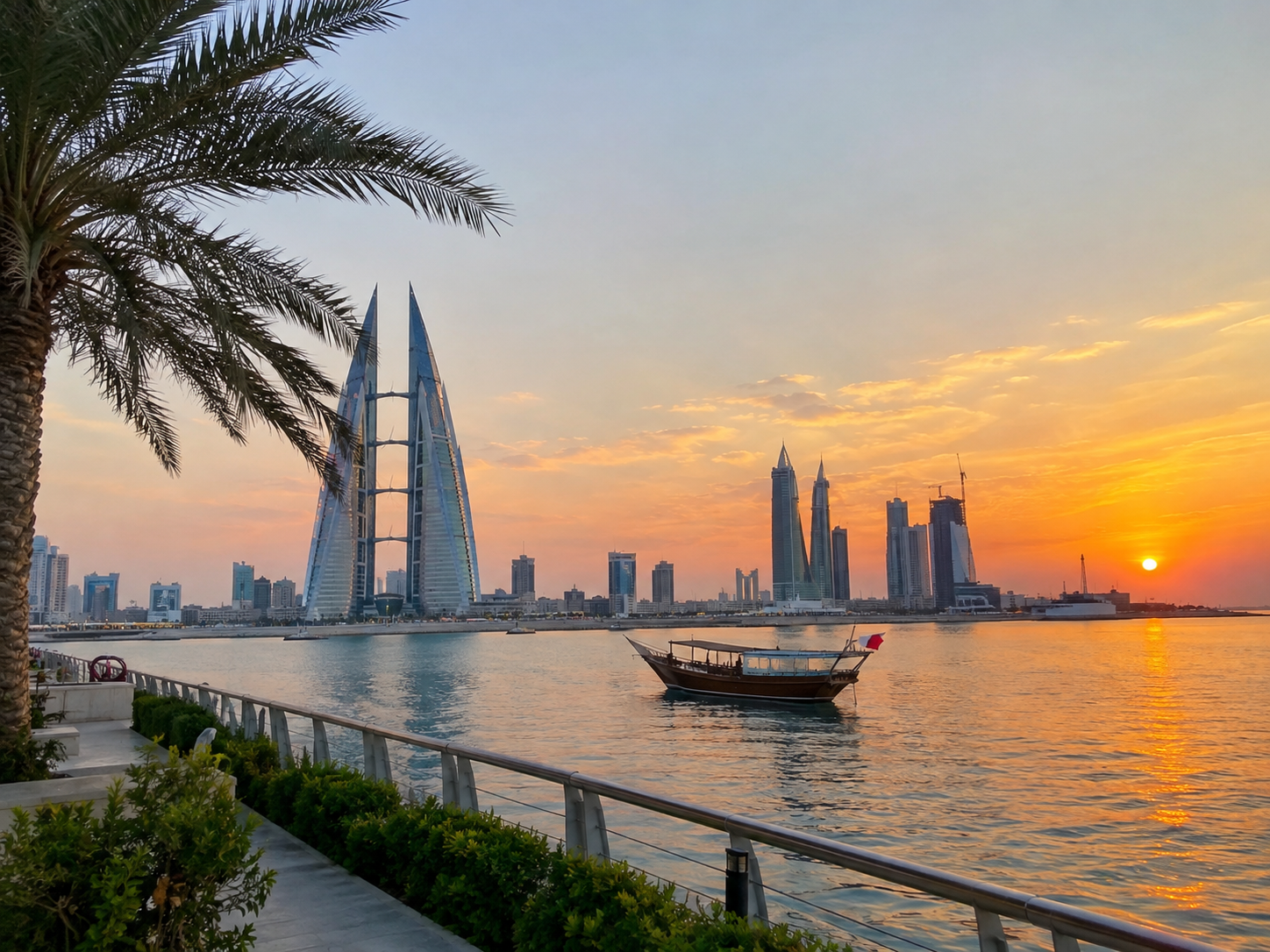
Manama, the country’s capital, combines contemporary commercial districts with traditional markets, historic buildings, restaurants, and waterfront areas. Visitors can experience both modern Gulf life and aspects of Bahrain’s history within a relatively compact geographical area.
This creates opportunities for different types of tourism.
Business travelers may visit for meetings, exhibitions, conferences, and corporate events. Leisure visitors may come for shopping, dining, cultural experiences, entertainment, or short holidays. Regional travelers may choose Bahrain for weekend breaks, family visits, and events.
The country can also appeal to travelers interested in heritage, motorsports, local food, and the wider culture of the Gulf.
Developing these different markets is important because relying too heavily on one visitor group can leave a destination vulnerable to changes in travel demand.
For example, a destination that depends mainly on business travel may experience difficulties when companies reduce travel budgets. A destination that relies heavily on seasonal leisure visitors may face quieter periods during the year.
A broader tourism strategy can help reduce these risks.
Bahrain can seek to attract visitors from different countries, encourage longer stays, and develop experiences that appeal to different budgets and interests. International tourism meetings provide a useful setting for exploring these opportunities with airlines, hotel groups, travel companies, event organizers, and investors.
However, attracting visitors requires more than international promotion. Travelers must have good reasons to choose Bahrain over competing destinations.
Those reasons might include a major event, a cultural attraction, a convenient flight connection, a distinctive food experience, or a combination of activities that makes a short stay worthwhile.
The country’s long-term success will depend on how effectively it combines these attractions into a clear and appealing tourism offer.
Bahrain’s Tourism Strategy and the Wider Gulf Transformation
Across the Gulf region, governments are placing greater emphasis on tourism as part of their economic development plans. Countries are investing in hotels, entertainment facilities, cultural destinations, airports, transport networks, and major events.
The reasons are understandable. Tourism can support economic diversification by creating activity beyond traditional industries. It can also provide opportunities for small businesses, entrepreneurs, hospitality workers, artists, tour operators, and local suppliers.
Bahrain operates within this changing regional environment.
Its neighbors have developed major international tourism campaigns and large-scale visitor attractions. This creates opportunities for regional cooperation, but it also increases competition for travelers, airline capacity, skilled workers, and private investment.
Bahrain does not necessarily need to compete by building the largest attraction or spending the most money on promotion.
Instead, it can focus on what makes the country distinctive.
Its compact size can make it attractive to visitors who want to experience several activities during a short trip. Its cultural identity can help distinguish it from destinations that emphasize large entertainment developments. Its business connections can support meetings and events, while its location can help it appeal to regional travelers.
The challenge is to communicate these strengths clearly and ensure that the visitor experience matches the promises made in marketing campaigns.
A tourist who discovers an interesting heritage site, enjoys local hospitality, finds transport convenient, and has a comfortable hotel stay is more likely to recommend the destination to others.
In the digital age, these personal experiences can influence thousands of potential travelers through online reviews, photographs, videos, and travel recommendations.
For this reason, tourism development should connect destination marketing with practical service improvements.
The reported engagement at the WTTC Summit in Malta is relevant to this wider ambition. International discussions can help Bahrain explore how its tourism priorities fit into the changing global marketplace and where partnerships could support future development.
Bahrain’s active participation at the WTTC Summit marks a strategic step toward strengthening its footprint in global travel. By focusing on infrastructure improvements and strategic international partnerships, the Kingdom continues to position itself as a key tourism hub in the Gulf region.
About the Author: Zoey
Zoey is a travel journalist and destination research specialist at VentureWibe, focusing on Middle Eastern tourism trends, international travel policies, and sustainable tourism developments. With years of experience tracking global tourism summits and hospitality growth, she provides structured analysis for modern travelers and industry observers.
Expertise: Global Tourism, Destination Research, and Travel Insights
Discover more from venture
Subscribe to get the latest posts sent to your email.


This is beautiful. I haven’t consider Bahrain.
Thank you