
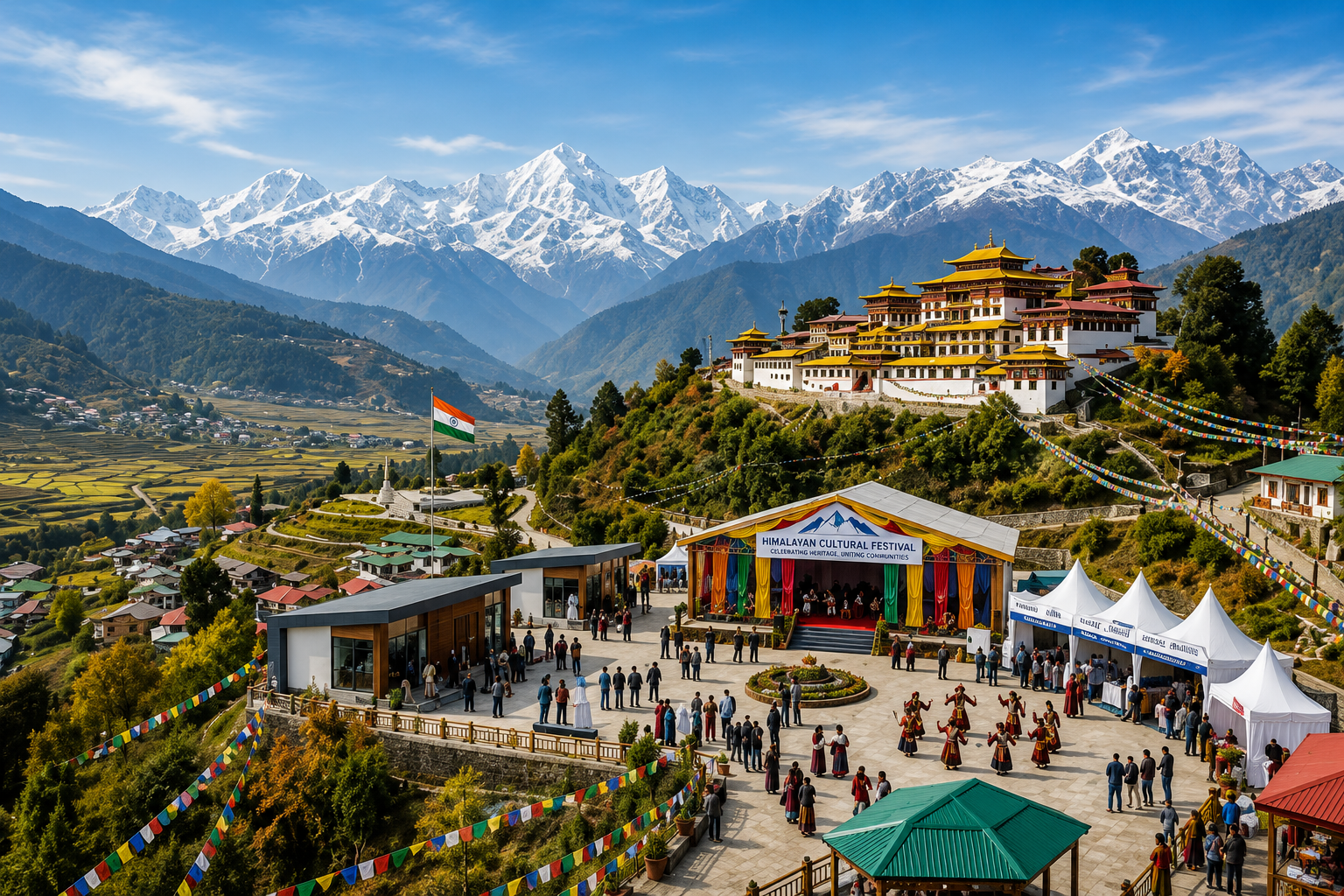

TAWANG, India — Nestled high among the clouds in the majestic Himalayas, the serene town of Tawang in Arunachal Pradesh is preparing to step into the global travel spotlight. In a monumental move for remote destination development, Tawang has officially been selected to host the 14th edition of the prestigious International Tourism Mart (ITM) 2026, scheduled to take place in the last week of October.
Jointly organized by the Union Ministry of Tourism, Government of India, and the Department of Tourism, Government of Arunachal Pradesh, this flagship event marks the return of the ITM to Tawang after more than a decade. With stakeholders, international buyers, travel trade representatives, and global media descending upon this pristine paradise, the 2026 Mart is set to act as a massive catalyst for Northeast India’s tourism ecosystem.
The Vision Behind the Mart: High-Altitude & Decentralized Tourism
The decision to host the International Tourism Mart 2026 in Tawang represents a strategic policy shift toward the promotion of high-altitude and decentralized tourism in India. Traditionally, major travel conclaves have favored urban centers; however, ITM 2026 aims to prove that remote, ecologically sensitive regions can successfully host world-class events.
The mart functions as a critical business-to-business (B2B) junction. By putting Tawang on a global stage, the event bridges the gap between regional service providers—such as indigenous home-stay entrepreneurs and local tour operators—and prominent international travel buyers. This inclusive model ensures that economic benefits trickle directly down to the mountain communities that preserve the region’s heritage.
What to Expect: Showcasing Tawang’s Pristine Treasures
Delegates and international visitors at ITM 2026 will explore a multifaceted travel portfolio that stretches far beyond conventional sightseeing. The event will specifically shine a spotlight on five core experiential sectors:
- Spiritual Heritage & Monpa Culture: As home to the iconic Tawang Monastery—the largest monastery in India and the second largest in the world—Tawang offers an unparalleled window into Buddhist culture and spiritual serenity. The mart will showcase Monpa handicrafts, textiles, and sacred traditions directly to global buyers.
- Himalayan Landscapes & High-Altitude Lakes: The region’s breathtaking geography, including the crystal-clear waters of PT Tso Lake and the famous Sangetsar (Madhuri) Lake, will be highlighted as premium eco-tourism attractions.
- Adventure and Eco-Tourism: From scaling rugged terrains near the Gorichen Peak to navigating pristine river basins, Tawang is positioning itself as a premier destination for low-impact, high-intensity adventure sports.
Infrastructure Overhaul: Seamless Access to Paradise
Historically, accessibility has been the primary bottleneck for tourism growth in Northeast India. Recognizing this, the government has fast-tracked extensive infrastructure and logistical updates ahead of the October event:
1. The Sela Tunnel Engineering Marvel
A major game-changer for the 2026 travel season is the utilization of the newly engineered Sela Tunnel. This infrastructural masterpiece allows travelers to bypass the hazardous, snow-heavy stretches of the traditional Sela Pass (13,700 ft), ensuring safe, all-weather, and year-round connectivity into the Tawang valley.
2. Premium Venue & Hospitality Readiness
A joint task force consisting of the Ministry of Tourism and State Tourism departments recently completed detailed inspections of key venues. High-profile properties like Vivanta Tawang and the Kalawangpo Convention Hall have upgraded their capacities to deliver luxury mountain hospitality to international delegates.
3. Route & Security Standardization
The entire Guwahati-to-Tawang transit corridor is undergoing a strict upgrade program. Road connectivity is being optimized, emergency and health facilities are being modernized, and security protocols are being fortified to guarantee a seamless, safe travel experience for overseas attendees.
Strategic Impact on the Travel Industry
According to industry insights from early coordination meetings at the Tawang Circuit House, ITM 2026 is poised to redefine how India markets its border states.
By emphasizing sustainable development and local capacity-building, the event serves as a blueprint for other remote Himalayan territories. It shifts the focus from mass commercialized tourism to curated, high-value, eco-conscious travel experiences that respect both nature and culture.
Conclusion: Northeast India Ready to Welcome the World
As Tawang prepares to greet government officials, international operators, investors, and media personnel, the collective excitement across Northeast India is palpable. The International Tourism Mart 2026 is not merely a three-day trade show; it is an official declaration that one of the world’s most beautiful, underrated mountain frontiers is fully open, accessible, and ready to enchant the global traveler.
“When I first read about this update, it instantly reminded me of the absolute headache of wrestling with foreign transport apps on past trips—and honestly, this feature is a total game-changer.”
Beyond the Mountain Passes: The Human Side of Remote Himalayan Exploration
We have all stood in that exact moment of absolute pre-trip anxiety: clutching a stack of physical papers, worrying whether our permits are stamped correctly, and bracing for a grueling, winding mountain road after a marathon flight. For generations, crossing remote international borders or venturing deep into high-altitude frontiers like the Himalayas often felt like an administrative and logistical endurance test designed to drain your energy before your journey even truly began.
When we read macroeconomic reports about international tourism marts, regional infrastructure overhauls, and massive engineering triumphs like the Sela Tunnel, it is easy to view these updates as cold, clinical numbers on a spreadsheet or engineering metrics in a press release. But behind those statistics lies a deeply human story of anticipation, cultural discovery, and radical resilience.
Think back to the last time you tried to navigate a brand-new transit ecosystem in a remote region where you didn’t speak the local dialect. Between trying to find reliable transport on unpaved mountain tracks, deciphering handwritten regional schedules, and stressing over whether your digital maps will work without a cellular signal, travel friction has historically been the silent killer of vacation joy in off-the-beaten-path destinations.
The Real-World Magic of Seamless Mountain Access
That is why the structural evolution currently transforming remote tourism corridors like Tawang feels so profoundly liberating. When modern all-weather infrastructure replaces hazardous seasonal bottlenecks, and when smart regional development brings high-end connectivity to high-altitude valleys, the entire psychology of exploration shifts.
You arrive, step out into the crisp, oxygen-thin mountain air, and instead of wrestling with bureaucratic road closures or transport panics, you glide effortlessly into the rhythm of the local community. You can wander through the ancient stone halls of the Tawang Monastery, share a warm cup of traditional butter tea with local Monpa artisans, and navigate misty alpine lakes with total peace of mind.
This infrastructural progress doesn’t just save time—it rewrites our comfort zones. When the fear of getting stranded or lost is stripped away by better all-weather connectivity and smarter hospitality management, travelers are far more willing to venture beyond heavily sanitized, urban tourist bubbles. They explore secondary regional trails, support indigenous eco-tourism home-stays, and immerse themselves in authentic cultural experiences that used to feel entirely too intimidating to reach.
Embracing the Next Era of Conscious Travel
At the end of the day, travel has never been about the paperwork or the logistics; it has always been about the magic of human connection. It is about standing beneath a towering Himalayan peak, tasting a flavor you have never encountered before, or sharing a smile across a language barrier with someone proud to show you their ancestral mountain home.
When smart policies, engineering innovations, and community-led tourism frameworks clear away the administrative clutter, they give us back our most precious travel commodity: peace of mind. They remind us why we fell in love with exploring the world in the first place.
So the next time you pack your bags and head out toward a brand-new remote horizon, take a moment to appreciate how far global transit technology and destination accessibility have come. Keep your curiosity alive, embrace the unexpected mountain detours, and never let a temporary travel worry keep you from chasing your next great adventure.
What about you? Have you ever pushed through major travel anxieties, winding mountain roads, or logistical nightmares just to take a dream trip to a remote high-altitude destination? Drop a comment below and tell us about your most unforgettable travel adventure!
About the Author: Zoey
Zoey is a passionate travel writer and researcher at VentureWibe, dedicated to bringing readers the latest global travel news, inspiring destination guides, and tourism trends from around the world. With a keen eye for uncovering unique travel stories, Zoey helps explorers stay informed and prepared for their next adventures.
- Expertise: Global Tourism, Destination Research, and Travel Insights

Discover more from venture
Subscribe to get the latest posts sent to your email.


This looks incredible and would love to visit. Hope nature is being well protected though.