

Global Tourism Rankings 2026: How New York, Paris, London, and Rome Are Shaping the Future of International Travel
The landscape of international travel in 2026 reflects a decisive shift toward cultural authenticity, seamless urban infrastructure, and experiential luxury. As global travel volumes break historic records, flagship metropolises across North America and Europe continue to capture the lion’s share of international visitor arrivals.
Leading tourism indices reveal that powerhouses like New York City, Paris, London, and Rome remain the bedrock of global travel demand. These iconic destinations leverage centuries of cultural capital, hyper-modern transit networks, and evolving hospitality ecosystems to stay ahead of emerging tourism hubs.
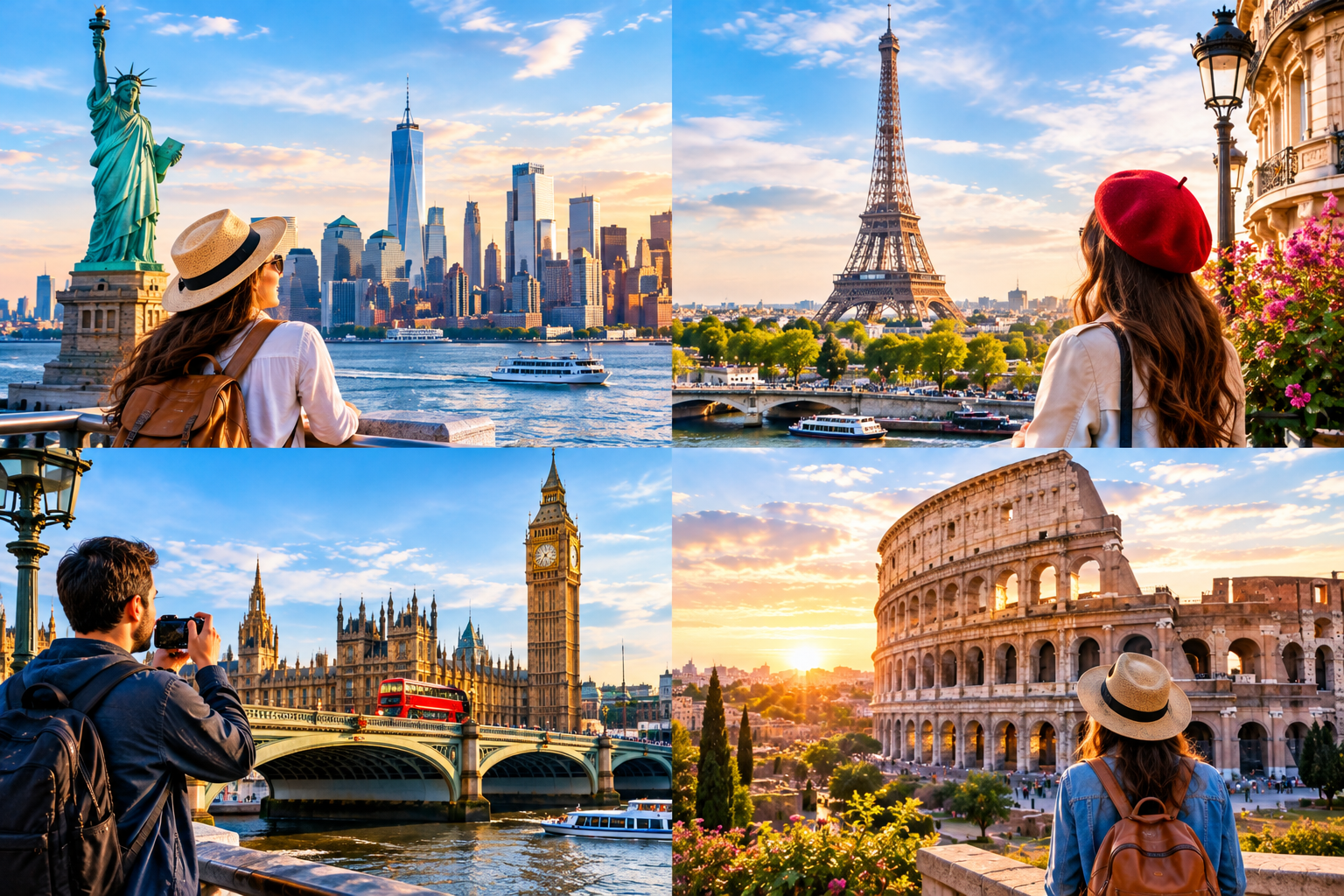
New York City Skyline. Source: iStock / 34,900+ New York City Skyline Night Stock Photos, Pictures …
Eiffel Tower, Paris. Source: Britannica / Eiffel Tower | History, Height, & Facts | Britannica
Big Ben & Westminster, London. Source: Guide London / Big Ben: London’s Famous Bell | Guide London
The Colosseum, Rome. Source: Vatican Museum / Rome: Colosseum, Vatican Museums & Historic Center in a Day
1. The Anatomy of the 2026 Tourism Surge
The global travel market in 2026 is defined by the convergence of high-capacity long-haul aviation, flexible remote-work lifestyles, and an elevated demand for immersive local culture. International arrivals across the top 20 global destinations have surged past pre-pandemic benchmarks, with tier-one gateway cities serving as the primary engines of economic recovery.
Key economic and psychological factors driving this momentum include:
- experiential Premiumization: Modern travelers prioritize unique experiences—such as private museum tours, Michelin-starred culinary pop-ups, and hyper-local neighborhood walks—over passive sightseeing.
- Infrastructure Investment: Multi-billion-dollar upgrades in major aviation hubs, high-speed regional rail, and digital entry systems have significantly reduced travel friction.
- Bleisure Integration: Extended stays that blur business trips with leisure travel have increased the average duration of stay in major financial capitals by nearly 25%.
2. City by City: Key Drivers of Global Attraction
New York City: The Cultural Capital of North America
New York City continues to lead the Western Hemisphere in international arrivals. Driven by a revitalized cultural sector and massive transit overhaul projects, the city serves as the ultimate gateway to North America.
The transformative modernization of John F. Kennedy International Airport (JFK) and Newark Liberty International Airport (EWR) has dramatically improved the arrival experience for transpacific and transatlantic travelers. Coupled with the landmark hosting duties for major international sporting events in 2026, NYC’s hoteliers and venue operators are recording unprecedented occupancy rates.
Key Takeaway for Travelers: To experience NYC beyond the traditional Midtown core, explore the thriving culinary and gallery corridors of Long Island City, Greenpoint, and DUMBO via the NYC Ferry system.
Paris: Sustaining the Olympic & Post-Olympic Momentum
Following its landmark international sporting showcases, Paris has effectively transformed its urban layout into a greener, more walkable haven for international travelers. The city’s investment in pedestrianizing historic boulevards and expanding cycle lanes has permanently reshaped how visitors navigate the French capital.
The reopening of iconic heritage sites, including the fully restored Notre-Dame Cathedral, alongside the expansion of the Grand Paris Express metro lines, allows visitors to move effortlessly between central districts and peripheral art spaces like Saint-Denis and Montvalérien.
London: Heritage Meets High-Speed Connectivity
London’s enduring popularity relies on its unique synthesis of centuries-old tradition and forward-looking urban design. The ongoing impact of the Elizabeth Line has revolutionized connectivity across the capital, linking Heathrow Airport directly to central business and leisure districts like West End, Paddington, and Canary Wharf in under 45 minutes.
London’s commitment to free access for major public museums—such as the British Museum, Tate Modern, and Natural History Museum—remains a powerful magnet for cultural tourists seeking world-class programming without prohibitive cost barriers.
Rome: The Perpetual Allure of the Eternal City
Rome’s place atop the 2026 rankings is reinforced by a wave of monumental restorations and urban renewal projects initiated during the recent Jubilee celebrations. Ancient plazas, subterranean ruins, and Renaissance fountains have been meticulously restored, creating a pristine environment for history enthusiasts.
The Italian capital has also seen an unprecedented boom in luxury hotel openings, with historic palazzos transformed into boutique properties that offer direct access to classic Roman gastronomy and intimate historical access.
3. Macro Trends Reshaping International Travel in 2026
- Digital and Contactless Border Entry: From Europe’s ETIAS and EES biometric entry systems to streamlined TSA digital identity protocols in the United States, cross-border movement is becoming faster and more automated.
- Hyper-Personalized Travel Concierges: AI-driven travel planning tools allow visitors to curating itineraries based on real-time crowd management, local weather, and niche artistic interests.
- Sustainable Urban Tourism: Top-tier cities are increasingly holding hospitality operators to strict sustainability metrics, from zero-waste fine dining to carbon-neutral luxury accommodations.
“When I first read about this update, it instantly reminded me of the absolute headache of wrestling with foreign transport apps on past trips—and honestly, this feature is a total game-changer.”
Beyond the Iconic Skylines: The Human Reality of Global Travel
We have all stood in that exact moment of absolute pre-trip anxiety: clutching a stack of physical papers, worrying whether our passport validity matches obscure regional rules, and bracing for a grueling, multi-hour customs queue after a marathon flight. For generations, crossing international borders into massive, bustling global capitals like New York, Paris, London, or Rome often felt like an administrative endurance test designed to drain your energy before your vacation even began.
When we read macroeconomic reports about global tourism rankings, soaring hotel occupancy rates, and multi-billion-dollar infrastructure overhauls, it is easy to view these updates as cold, clinical numbers on a spreadsheet. But behind those statistics lies a deeply human story of excitement, discovery, and radical resilience.
Think back to the last time you tried to navigate a brand-new transit ecosystem in a foreign metropolis where you didn’t speak the language. Between trying to buy local paper metro tickets with cash you haven’t exchanged yet, deciphering complex subway maps, and stressing over whether your credit card will throw a fraud alert at the turnstile, travel friction has historically been the silent killer of vacation joy.
The Real-World Magic of Seamless Urban Mobility
That is why the structural evolution currently transforming top-tier global cities feels so profoundly liberating. When modern entry hubs replace bottlenecked paperwork with high-speed biometric facial scans that process arrivals in seconds, and when everyday digital wallets natively link international cards to local transit systems like the London Underground or NYC Ferry, the entire psychology of exploration shifts.
You land, step off the plane, and instead of wrestling with bureaucratic red tape, you glide effortlessly into the rhythm of the city. You can hop onto a high-speed transit line straight out to historic districts, pay for a street-side pastry or an espresso using a familiar mobile app interface, and navigate urban alleyways with total confidence.
This technological integration doesn’t just save time—it rewrites our comfort zones. When the fear of getting lost or stranded is stripped away by smart digital infrastructure, travelers are far more willing to venture beyond heavily sanitized, cookie-cutter tourist bubbles. They explore secondary neighborhoods, support independent local artisans, and immerse themselves in authentic cultural experiences that used to feel entirely too intimidating to reach.
Embracing the Next Era of Global Connection
At the end of the day, travel has never been about the paperwork or the logistics; it has always been about the magic of human connection. It is about standing in a centuries-old European plaza, tasting a flavor you have never encountered before, or sharing a smile across a language barrier with a local resident who is proud to show you their city.
When smart policies, biometric border pipelines, and integrated payment ecosystems clear away the administrative clutter, they give us back our most precious travel commodity: peace of mind. They remind us why we fell in love with exploring the world in the first place.
So the next time you pack your bags and head out toward a brand-new urban horizon, take a moment to appreciate how far global transit technology and destination design have come. Keep your apps updated, embrace the unexpected detours, and never let a temporary travel worry keep you from chasing your next great adventure.
What about you? Have you ever pushed through major travel anxieties, flight disruptions, or logistical nightmares just to take a dream trip to a world-famous capital? Drop a comment below and tell us about your most unforgettable travel adventure!
About the Author: Zoey
Zoey is a passionate travel writer and researcher at VentureWibe, dedicated to bringing readers the latest global travel news, inspiring destination guides, and tourism trends from around the world. With a keen eye for uncovering unique travel stories, Zoey helps explorers stay informed and prepared for their next adventures.
- Expertise: Global Tourism, Destination Research, and Travel Insights

Discover more from venture
Subscribe to get the latest posts sent to your email.


Great 👍🏼