
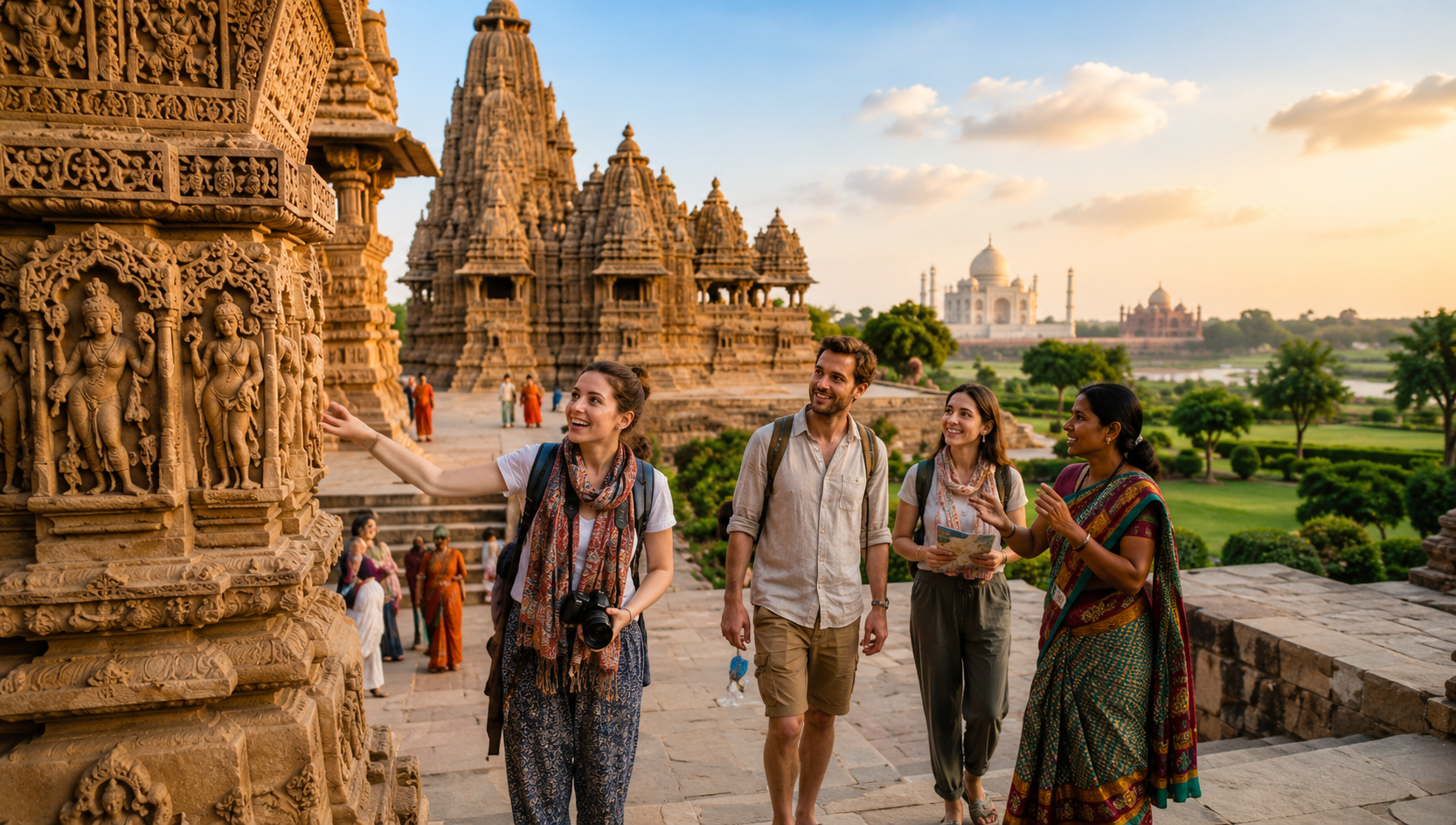
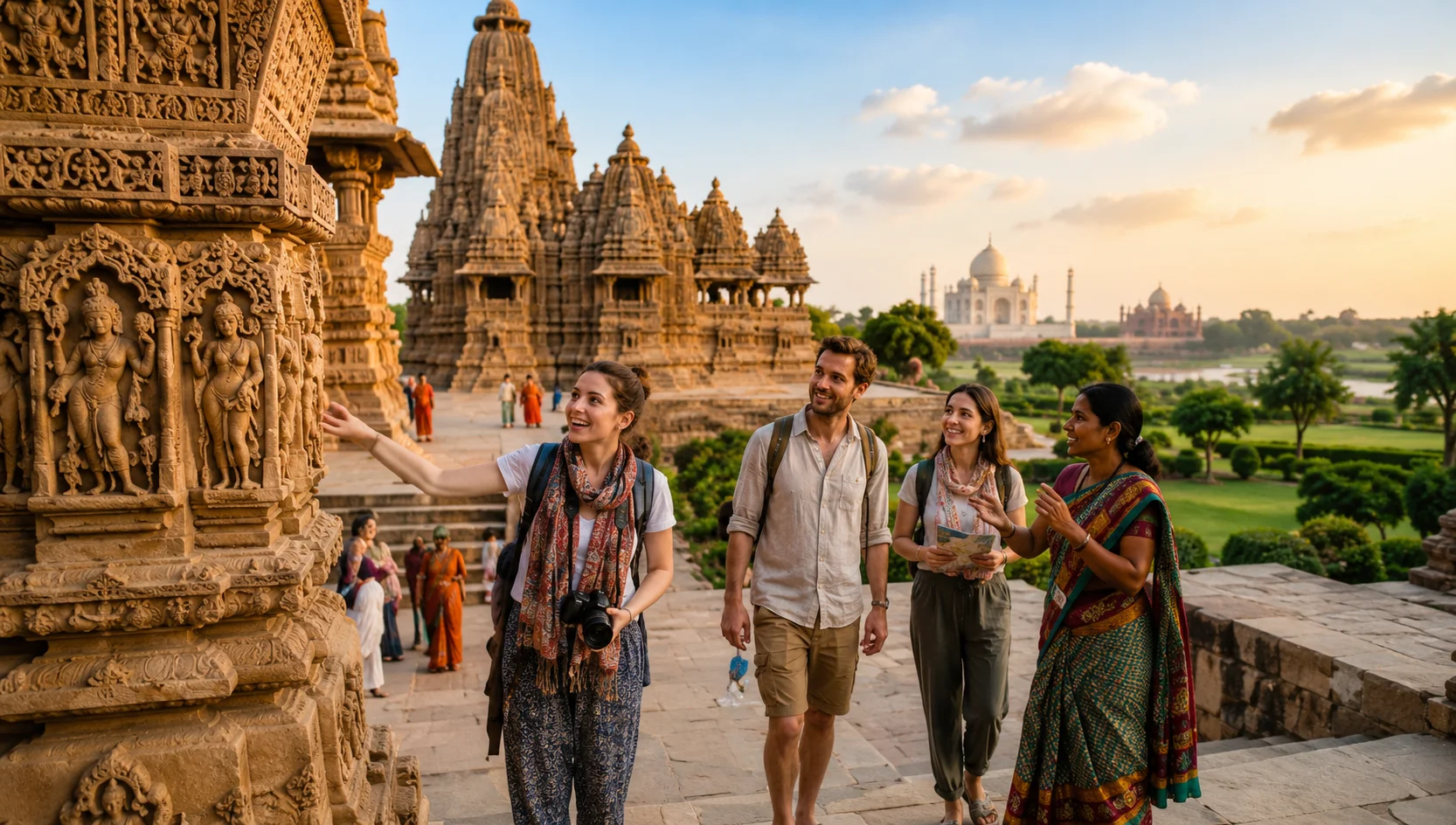
India Is Welcoming More Foreign Tourists—Here’s What’s Driving the Rise
From the majestic, snow-capped peaks of the Himalayas to the tranquil backwaters of Kerala, India’s tourism sector is experiencing a monumental resurgence. Foreign tourist arrivals (FTAs) across the subcontinent have accelerated sharply, signaling a transformative era for South Asian hospitality. Once driven primarily by traditional sightseers following the classic Golden Triangle route, today’s surge reflects a broader, highly dynamic ecosystem of international travel.
This sustained expansion is no happy coincidence. It represents the payoff of coordinated government policy, unprecedented transport infrastructure investments, streamlined border clearance systems, and a fundamental shift in global travel preferences toward experiential, wellness, and authentic cultural journeys.
1. The Numbers Behind the Surge: A Macro Overview
The global travel landscape has witnessed a rapid rebalancing, with India emerging as one of Asia’s most compelling growth frontiers. Statistical indicators highlight not only an increase in volume but also a marked rise in average length of stay and per-tourist expenditure.
Key Drivers of International Inbound Growth
- Expanded Geographic Sourcing: While traditional source markets such as the United States, the United Kingdom, Canada, Australia, and Western Europe continue to provide strong baseline numbers, newer source corridors—including Southeast Asia, the Middle East, Central Asia, and East Asia—are expanding rapidly.
- Increased Foreign Exchange Earnings: Inbound visitors are staying longer and exploring beyond primary gateways, leading to direct spending across boutique hotels, regional transport networks, local artisanal markets, and specialized tour agencies.
- Diversified Travel Intent: Beyond leisure holidaymaking, foreign arrivals are increasingly classified under business travel, MICE (Meetings, Incentives, Conferences, and Exhibitions), medical and wellness retreats, and diaspora cultural connections.
2. Frictionless Entry: The E-Visa Revolution & Border Digitalization
For decades, acquiring an entry visa for India involved lengthy paperwork, physical consulate visits, and unpredictable processing timelines. The comprehensive overhaul of India’s e-Visa platform has fundamentally altered this experience, turning visa acquisition into a swift, digitally automated process.
Key Pillars of Digital Border Modernization
- Broadened Category Access: Foreign travelers can now obtain specialized e-Visas tailored to their specific purpose of entry—including e-Tourist (1-month, 1-year, and 5-year multi-entry options), e-Business, e-Medical, e-Medical Attendant, and e-Conference visas.
- Simplified Fee Structures: Seasonally adjusted visa fees, including discounted rates during off-peak months, have incentivized summer and shoulder-season arrivals, effectively smoothing out traditional seasonal volatility.
- Biometric Integration & Fast-Track Immigrations: Major international hubs such as Indira Gandhi International Airport (Delhi), Chhatrapati Shivaji Maharaj International Airport (Mumbai), and Kempegowda International Airport (Bengaluru) have deployed automated biometric gates and expanded immigration counter capacity, drastically reducing turnaround times upon landing.
3. The Spiritual and Wellness Magnet: Ayurveda, Yoga, and Sacred Heritage
In an increasingly fast-paced world, global travelers are prioritizing holistic health, mental clarity, and spiritual reflection over standard sightseeing. India holds a unique global position as the birthplace of Yoga, Ayurveda, and ancient meditative traditions.
The Rise of Medical and Wellness Tourism
India’s Ministry of Ayush, alongside private healthcare and hospitality leaders, has formalized “Heal in India” initiatives. This strategic framework positions the country as the world’s premier destination for certified wellness and medical treatments.
- Ayurvedic Retreats of Kerala and Karnataka: Discerning international travelers are flocking to traditional wellness resorts offering multi-week Panchakarma detox programs, individualized diet plans, and holistic therapies supervised by certified doctors.
- The Yoga Capital of Rishikesh: Nestled along the Himalayan foothills on the banks of the sacred Ganges, Rishikesh remains an international magnet for practitioners seeking teacher training certifications and immersive retreats.
- Spiritual Corridors: Major infrastructure projects, such as the Kashi Vishwanath Corridor in Varanasi and improved heritage circuits across Tamil Nadu and Odisha, have made ancient spiritual centers significantly more accessible, clean, and organized for international visitors.
4. Modern Transit Infrastructure: Connecting the Unconnected
Historically, one of the primary hurdles for international tourists exploring beyond major metros was internal transportation friction. Massive national investments in multimodal connectivity have fundamentally reshaped how travelers move across the country.
The Aviation and Rail Transformation
- Next-Generation Rail Corridors: The rapid deployment of the flagship Vande Bharat Express semi-high-speed train network has revolutionized rail journeys between key city pairs (e.g., Delhi to Agra, Jaipur, Varanasi, and Dehradun). Featuring panoramic windows, modern amenities, and punctual scheduling, these trains offer a premium travel option preferred by international travelers.
- Airport Expansion & Regional Connectivity (UDAN Scheme): India has doubled its operational airport count over the past decade. Greenfield international airports—such as Manohar International Airport in Mopa, Goa, and Noida International Airport in Jewar—provide massive additional capacity. Regional routes now allow international tourists to fly directly into destinations like Bagdogra (gateway to Darjeeling and Sikkim), Khajuraho, and Udaipur without needing lengthy overland transfers.
- High-Speed Expressways: Modern road corridors like the Delhi-Mumbai Expressway and the Samruddhi Mahamarg have cut driving times by half, making private chauffeur-driven road trips smoother and far more reliable.
5. The Luxury Hospitality Renaissance
The influx of high-net-worth international visitors has catalyzed an unprecedented expansion in India’s hospitality sector. Global luxury brands—such as Marriott, Hyatt, IHG, Accor, and Hilton—are aggressively expanding their footprints alongside legendary homegrown hospitality giants like Taj Hotels, The Oberoi Group, The Leela, and ITC Hotels.
Emerging Trends in Accommodations
- Heritage Conversions: Palaces, forts, and ancestral havelis across Rajasthan, Gujarat, and Madhya Pradesh are being restored into world-class boutique hotels where guests experience royal heritage combined with contemporary luxury.
- Eco-Luxury & Off-Grid Lodges: High-end wildlife lodges in tiger reserves like Ranthambore, Bandhavgarh, and Kanha offer sustainable eco-luxury, pairing wilderness safaris with fine dining and conservation-focused stays.
- Hyper-Local Culinary Travel: Indian gastronomy has evolved far beyond generic curry concepts. Luxury hotels and independent restaurants are showcasing regional, seasonal, and indigenous recipes—ranging from Naga bamboo-cooked specialties to Chettinad spice journeys and Kashmiri Wazwan feasts—delighting global food connoisseurs.
Summary: Strategic Drivers Shaping India’s Tourism Growth
Looking Ahead: The Future of Inbound Travel
As India continues to refine its global campaign—focusing on sustainability, safety, digital convenience, and heritage preservation—the nation is poised to consolidate its rank among the world’s most sought-after travel destinations. For international visitors, India is no longer just a place to see; it is a profound journey to experience.
“When I first read about this update, it instantly reminded me of the absolute headache of wrestling with foreign transport apps on past trips—and honestly, this feature is a total game-changer.”
Have you ever pushed through travel anxieties or flight disruptions just to take a dream trip? Drop a comment and tell me about your most unforgettable travel adventure!
About the Author: Zoey
Zoey is a passionate travel writer and researcher at VentureWibe, dedicated to bringing readers the latest global travel news, inspiring destination guides, and tourism trends from around the world. With a keen eye for uncovering unique travel stories, Zoey helps explorers stay informed and prepared for their next adventures.
- Expertise: Global Tourism, Destination Research, and Travel Insights

Discover more from venture
Subscribe to get the latest posts sent to your email.

