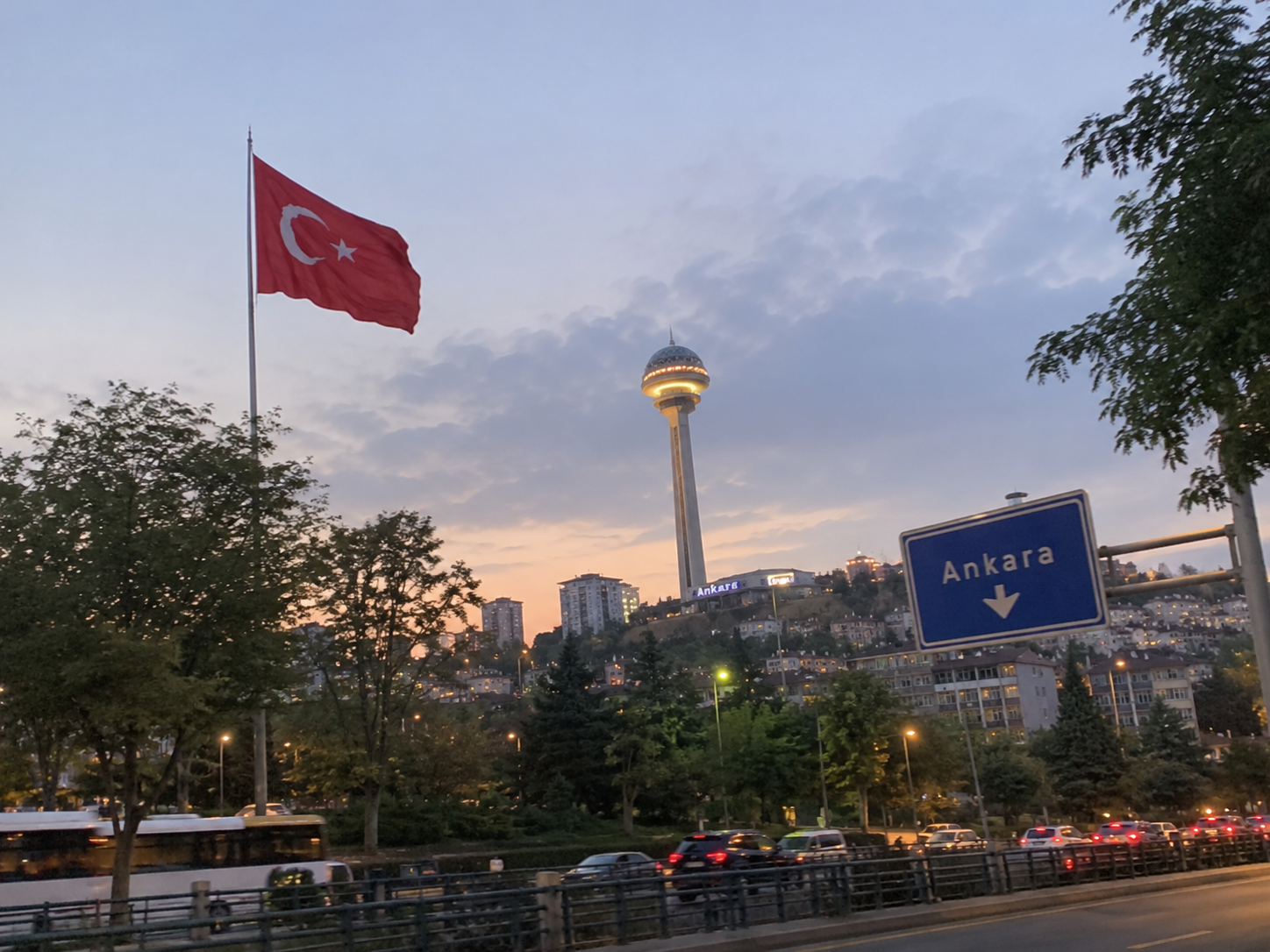
Ankara is often overlooked by travelers planning a trip to Turkey. Most visitors head straight to Istanbul, Cappadocia, or Antalya, but the country’s capital has plenty to offer. From historic landmarks and traditional neighborhoods to modern shopping streets and local restaurants, Ankara provides a different way to experience Turkish culture.
What makes Ankara interesting is its balance between history and everyday life. You can visit a monument connected to the country’s independence in the morning, explore an old market in the afternoon, and enjoy a traditional Turkish dinner in the evening.
For travelers who enjoy history, architecture, local food, and quieter city experiences, Ankara is worth adding to a Turkey itinerary. Here is what to see, where to go, and what to know before visiting.
1. Anıtkabir: Ankara’s Most Important Historic Attraction
Anıtkabir is one of the first places visitors should explore. It is the mausoleum of Mustafa Kemal Atatürk, the founder of modern Turkey and the country’s first president.
The complex features impressive stone architecture, a large ceremonial courtyard, museums, and exhibition areas. Visitors can learn about Atatürk’s life, the Turkish War of Independence, and the founding of the republic.
Anıtkabir is generally free to enter, making it an excellent stop for travelers interested in Turkish history.
Travel tip: Allow around one to two hours for your visit. Check the official visiting schedule before arriving because public access hours can change during national ceremonies and special events.
2. Ankara Castle: Historic Streets and Panoramic Views
Ankara Castle, locally known as Ankara Kalesi, is one of the city’s most recognizable historic landmarks. It stands above the old city and offers views across Ankara.
The surrounding neighborhood is worth exploring as much as the castle itself. Its narrow streets contain traditional houses, small antique shops, souvenir stores, and local cafés.
This is a good area to discover handmade Turkish products and enjoy a slower afternoon away from the city’s busiest roads.
My travel recommendation: Visit in the late afternoon when the sunlight creates warm colors across the old buildings. Wear comfortable walking shoes because the streets are steep and uneven in several places.
3. Museum of Anatolian Civilizations: A Look at Ancient Turkey
If you want to understand Turkey beyond its modern cities, visit the Museum of Anatolian Civilizations.
Located near Ankara Castle in the Ulus district, this museum displays archaeological objects from different periods of Anatolian history. Its collections include ancient pottery, sculptures, coins, tools, and other historical discoveries.
The museum is particularly interesting for visitors who enjoy learning about early civilizations and the development of human settlements.
The official museum listing gives its regular opening time as 8:30 AM. Closing times vary by season and current arrangements, so check the official website before visiting. As of November 2026, two sections, the Ankara Hall and Classical Hall, are scheduled to remain closed for maintenance until March 2, 2027.
Travel tip: Plan around 90 minutes to two hours for the museum. Combine it with Ankara Castle because both attractions are in the same historic area.
4. Atakule: Shopping, Dining, and City Views
Atakule is a famous observation tower in Ankara’s Çankaya district. It is one of the city’s recognizable modern landmarks and a popular place for visitors looking for elevated city views.
The surrounding area has shopping and dining options, making it suitable for a relaxed afternoon or evening.
For the best experience, check whether the observation facilities are operating before making a special trip. Weather conditions can also affect the quality of the views.
If you enjoy city photography, the surrounding Çankaya area offers several interesting places to explore.
5. Try Traditional Ankara Food
Food is an enjoyable part of visiting Ankara. Turkish cuisine offers much more than kebabs, and the capital has its own local specialties.
Here are some dishes worth trying:
- Ankara Tava: A traditional dish commonly prepared with lamb and orzo pasta or rice.
- Döner Kebab: Thinly sliced meat served with bread, rice, or vegetables.
- Beypazarı Kurusu: A traditional crunchy biscuit from the Ankara region, often enjoyed with tea.
- Turkish Pide: Oven-baked flatbread topped with cheese, minced meat, or other ingredients.
- Baklava: A sweet pastry made with thin layers of dough, nuts, and syrup.
For a local food experience, explore traditional restaurants around Ulus and other established dining neighborhoods.
I would recommend trying Ankara Tava rather than choosing the same international dishes you can find almost anywhere. Asking restaurant staff about their local specialties can also help you discover something different.
6. Explore Ankara’s Parks and Green Spaces
Ankara has several parks where visitors can take a break from sightseeing.
Kuğulu Park is a popular small park known for its swans and pleasant surroundings. It is located near the Tunalı Hilmi area, which also has cafés and shopping streets.
Seğmenler Park offers walking paths, green areas, and open spaces where visitors can relax.
Gençlik Park is another well-known public park with gardens and recreational areas.
These places are especially enjoyable during spring and autumn when temperatures are generally more comfortable.
For a relaxed travel day, choose one park, explore the surrounding neighborhood, and enjoy a Turkish tea at a nearby café.
7. Getting Around Ankara: Transport Tips for Visitors
Ankara has a public transportation network that includes metro lines, buses, Ankaray, and commuter rail services.
The metro and Ankaray are useful for reaching major districts, while buses cover areas that are not directly connected by rail.
Visitors can use the city’s transport card system, but payment methods and fares should be checked before traveling.
According to Ankara’s EGO transport authority, the standard public transport fare was listed as 40 Turkish lira for a Başkent Kart journey from August 23, 2026. Credit card payments were listed at 46 lira. Fares can change, so check the latest official rates.
For airport transfers, Ankara Esenboğa Airport is connected to the city by airport bus services, including route 442, and taxis.
Practical advice: If you plan to use public transport several times a day, check the available card options rather than paying separately for every journey.
8. Best Time to Visit Ankara
The best time to visit Ankara depends on your preferred weather and travel plans.
- Spring (April–May): Comfortable temperatures and pleasant conditions for walking.
- Summer (June–August): Warm, dry weather, although afternoons can become hot.
- Autumn (September–October): A good period for sightseeing and exploring historic neighborhoods.
- Winter (December–February): Cold weather and occasional snowfall, so warm clothing is necessary.
Spring and autumn are generally the most comfortable seasons for outdoor sightseeing.
9. How Many Days Do You Need in Ankara?
For a first visit, two full days are a reasonable starting point.
Day 1: Visit Anıtkabir, explore central Ankara, and spend the evening around Atakule or Tunalı Hilmi.
Day 2: Explore the Museum of Anatolian Civilizations, Ankara Castle, the old Ulus district, and nearby traditional restaurants.
If you have an extra day, consider visiting Beypazarı, a historic town known for its traditional Ottoman-style houses, local crafts, and food.
A Few Final Thoughts Before Planning Your Trip
Ankara may not have Turkey’s famous beaches or Istanbul’s waterfront attractions, but it offers something that many travelers overlook: a closer look at Turkish history, culture, and everyday city life.
Its museums, historic neighborhoods, traditional dishes, and modern attractions make it a worthwhile destination for anyone interested in discovering more of the country.
The most rewarding way to explore Ankara is to balance famous landmarks with ordinary local experiences. Spend time in a traditional café, try a regional dish, walk through the old streets, and leave some room in your schedule for unexpected discoveries.
About Zoey
Zoey is a passionate global traveler and travel content creator dedicated to helping explorers navigate international destinations with smart planning, accurate budgets, and practical guides. Through detailed itineraries and destination insights, Zoey aims to make world travel accessible and stress-free everyone.